
Glazed Lava Stone Blog
Architecture is shaped not only by materials but also by the ideas that guide their use. The Glazed Lava Stone Insights section brings together knowledge, design perspectives and technical guidance for architects, designers and project teams exploring the potential of volcanic stone surfaces.
Here you will find articles that examine how glazed lava stone is used across contemporary architecture. From custom tabletops and countertops to architectural wall cladding, facades and decorative surfaces, lava stone offers a unique balance between durability and design freedom.
The purpose of this section is to share practical information, design inspiration and material expertise. Each article explores a different aspect of working with lava stone surfaces, helping architects and designers understand how this material can be integrated into residential, hospitality and public projects.
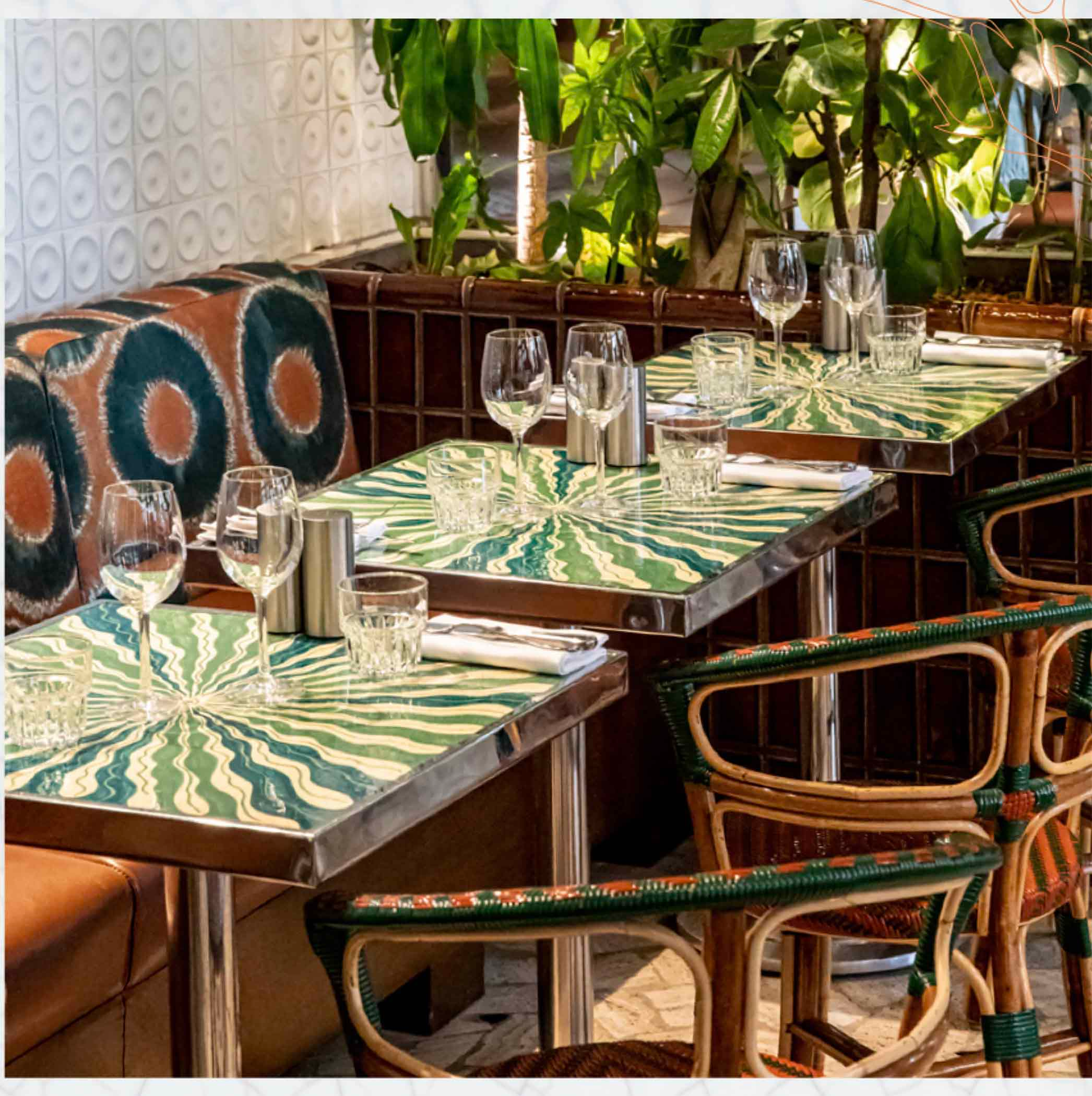
Understanding Glazed Lava Stone as an Architectural Material
Glazed lava stone is increasingly used in architectural projects where durability, weather resistance and design flexibility are required. The volcanic origin of the material gives lava stone exceptional structural stability, while ceramic glazing allows architects to introduce color, texture and artistic compositions into architectural surfaces.
Unlike many standard surface materials, lava stone can be customized through glaze colors, patterns and bespoke compositions. This allows designers to create surfaces that reflect the identity of a project while maintaining the performance required for demanding environments.
In our insights articles you will find explanations of how lava stone is produced, how glazing transforms volcanic stone surfaces and why architects choose this material for both interior and exterior applications.
Architectural Insights & Material Knowledge
Architectural Applications
Discover how glazed lava stone is used across contemporary architecture. From countertops and wall cladding to custom tables and outdoor surfaces, our insights explore real architectural applications of volcanic stone surfaces.
Design Inspiration
Explore creative design possibilities with glazed lava stone surfaces. Our articles present patterns, color concepts and bespoke surface compositions that help architects and designers develop distinctive architectural environments.
Material Knowledge
Understand the material properties of lava stone and how glazing transforms volcanic stone into durable architectural surfaces suitable for both interior and exterior environments.
Project Consulting
Learn how architects and project teams approach glazed lava stone in real projects. Our insights share considerations related to specifications, customization and design integration.
Technical Guidance
Access practical knowledge about lava stone surfaces including thickness options, fabrication techniques, installation considerations and long-term performance.
Architectural Surface Solutions
Discover how glazed lava stone surfaces can contribute to residential, hospitality and public architecture through bespoke surfaces, custom tabletops and durable architectural installations.
Design Inspiration with Lava Stone Surfaces
One of the most distinctive qualities of glazed lava stone is its ability to combine craftsmanship with architectural performance. Through glazing techniques, surfaces can range from minimal monochromatic finishes to complex decorative compositions inspired by traditional Mediterranean motifs or contemporary geometric patterns.
Within this section we explore how lava stone can be used to create expressive architectural surfaces including custom tables, decorative panels, countertops, wall cladding and bespoke installations. These articles highlight the versatility of glazed lava stone as both a design medium and a durable architectural surface.
Architectural Applications of Lava Stone
Glazed lava stone surfaces can be used across many architectural environments. Architects frequently specify lava stone for kitchen countertops, bathroom vanity tops, wall cladding, custom tables and outdoor architectural elements.
Because the material performs well in both interior and exterior environments, lava stone allows designers to maintain continuity between indoor spaces and outdoor architecture. In hospitality projects, restaurants and hotels often use lava stone surfaces for tables, decorative panels and architectural features that require durability and distinctive visual character.
Our insights articles examine these applications in detail, helping architects understand how lava stone surfaces can contribute to spatial identity and long-term performance.
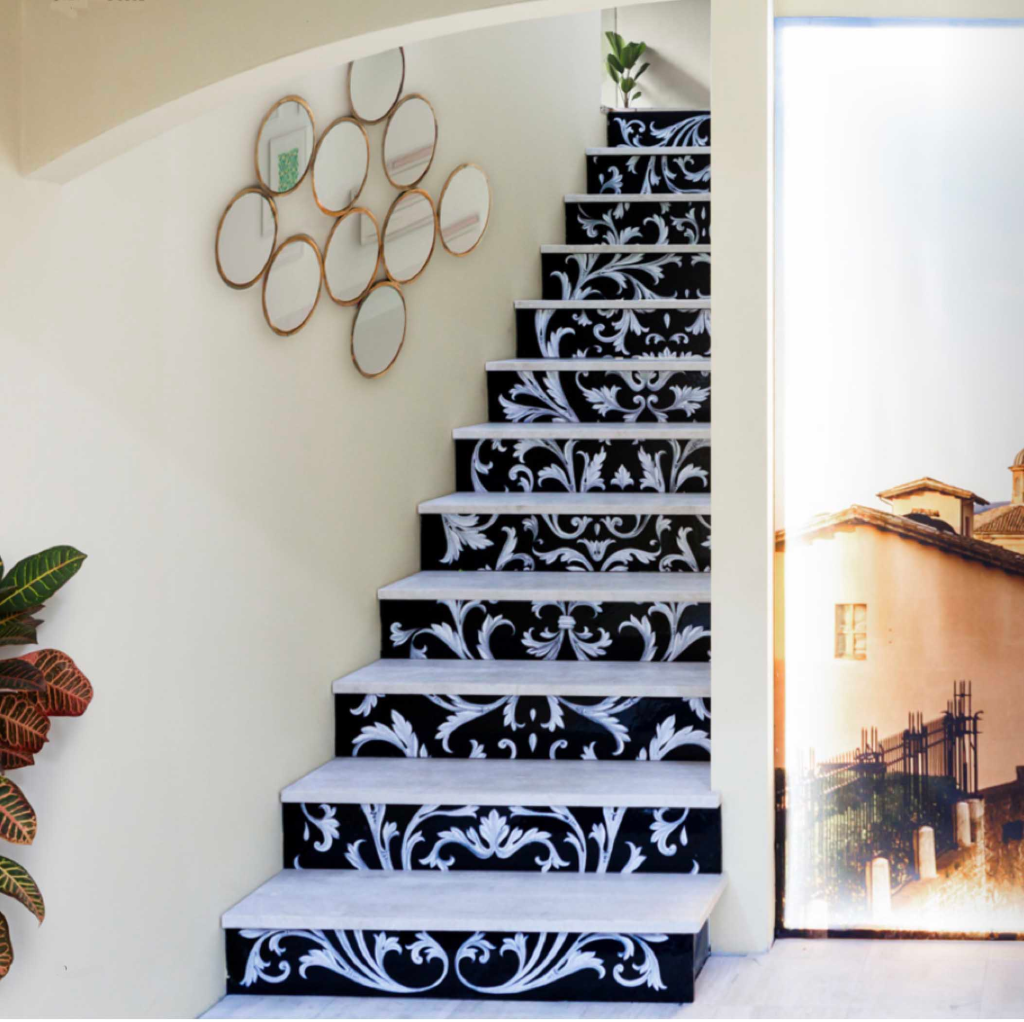
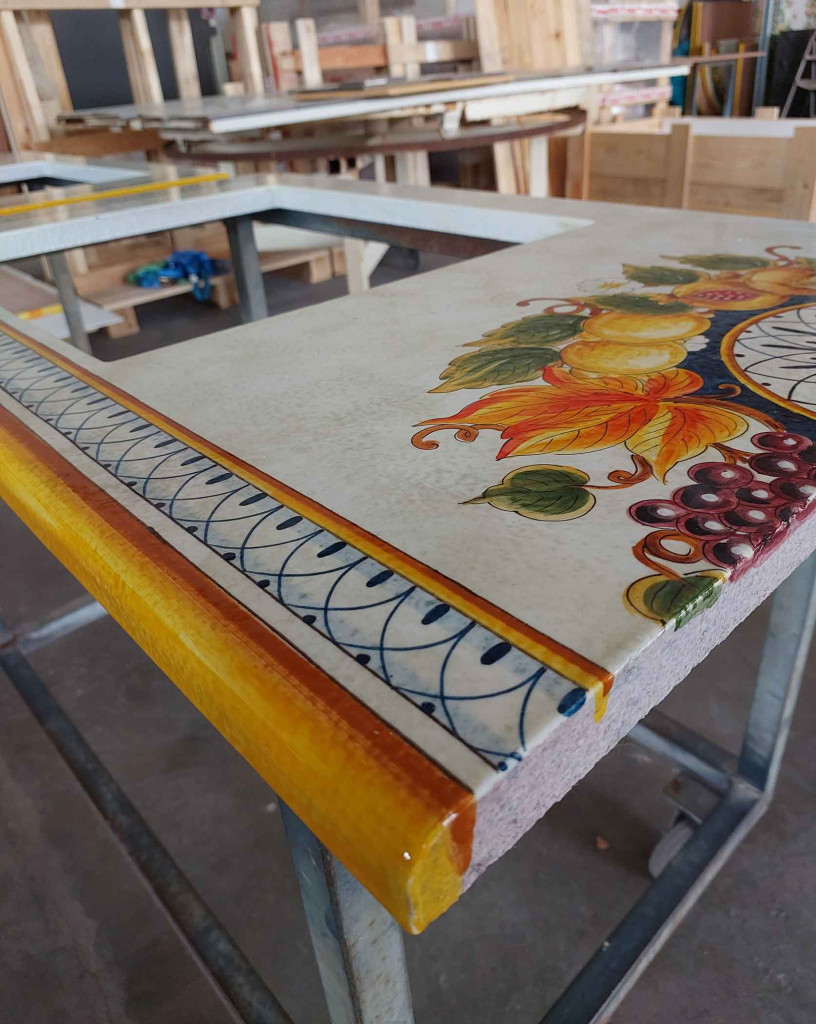
Technical Knowledge for Designers and Architects
Beyond design inspiration, the Insights section also provides technical knowledge related to working with glazed lava stone. Architects often need to understand factors such as surface thickness, edge details, installation considerations and the glazing process itself.
Through practical guides and material explanations, these articles aim to support designers during the early stages of project development. Whether specifying lava stone for countertops, tables or architectural surfaces, understanding the technical characteristics of the material helps ensure successful implementation.
Exploring the Potential of Glazed Lava Stone
The versatility of lava stone continues to expand as architects explore new ways to integrate glazed volcanic surfaces into contemporary architecture. From bespoke tabletops to large-scale architectural cladding, glazed lava stone allows designers to combine material authenticity with artistic freedom.
The Insights section is intended as an evolving knowledge base where architects and designers can discover ideas, material knowledge and architectural inspiration related to glazed lava stone.